

推荐设备
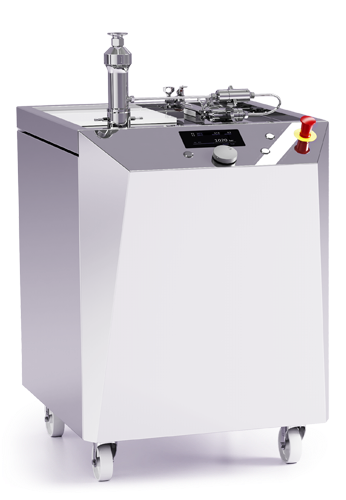
PSI-20 小试型高压微射流均质机
小试实验型
最大压力:2068bar 最大处理量:23L/h@60HZ ·线性放大 ·医用级材质 ·GMP 设计理念 ·模块化设计 ·在线清洗(CIP) ·在线灭菌(SIP) ·紧凑设计 ·超低噪音 ·高剪切力 ·高处理量 ·操作简便 ·操作友好
查看详情

推荐设备
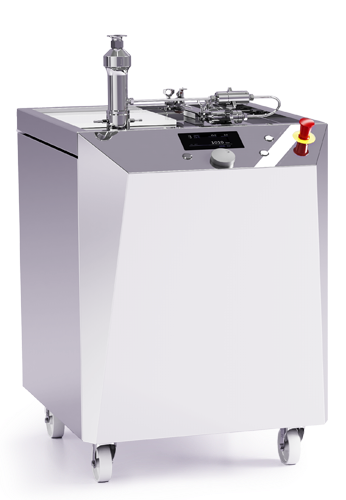
最大压力:2068bar 最大处理量:23L/h@60HZ ·线性放大 ·医用级材质 ·GMP 设计理念 ·模块化设计 ·在线清洗(CIP) ·在线灭菌(SIP) ·紧凑设计 ·超低噪音 ·高剪切力 ·高处理量 ·操作简便 ·操作友好
查看详情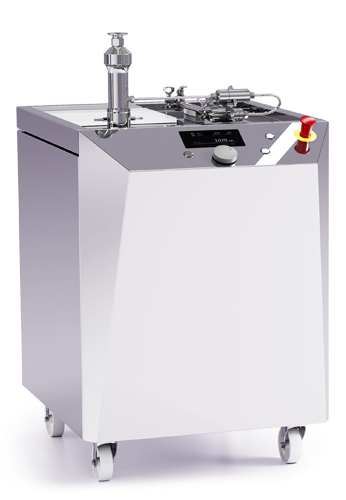
推荐设备
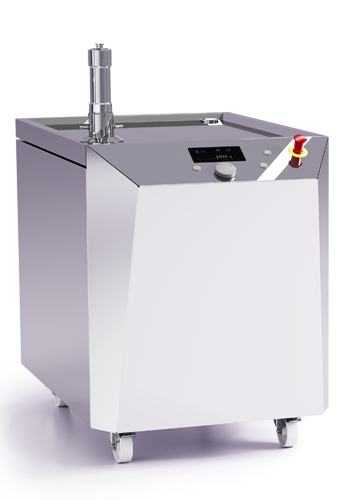
最大压力:2068bar 最大处理量:80L/h@60Hz 死体积:30mL ·线性放大 ·医用级材质 ·GMP 设计理念 ·模块化设计 ·在线清洗(CIP) ·在线灭菌(SIP) ·紧凑设计 ·超低噪音 ·高剪切力 ·高处理量 ·操作简便 ·操作友好
查看详情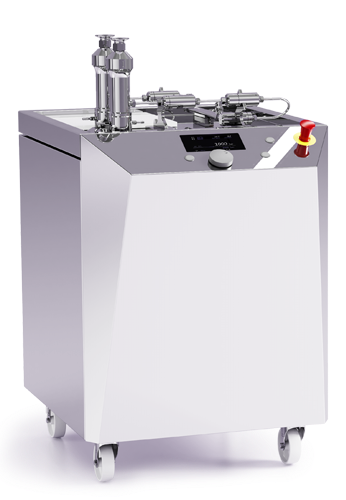
奥法美嘉平台提供整奢的铂炭催化剂茶料均一性与稳定性解决方案,可用于快速评估,优化铂炭傕化剂茶料的配方和工艺:高压微射流均质机对铂炭催化剂进行分散均质处理,Ni comp粒度分析仪分析平均粒径、AceuSizer颗粒计数器分析大粒子浓度。Lun胞定性分析仪快速分析铂炭催化剂茶料稳定性...

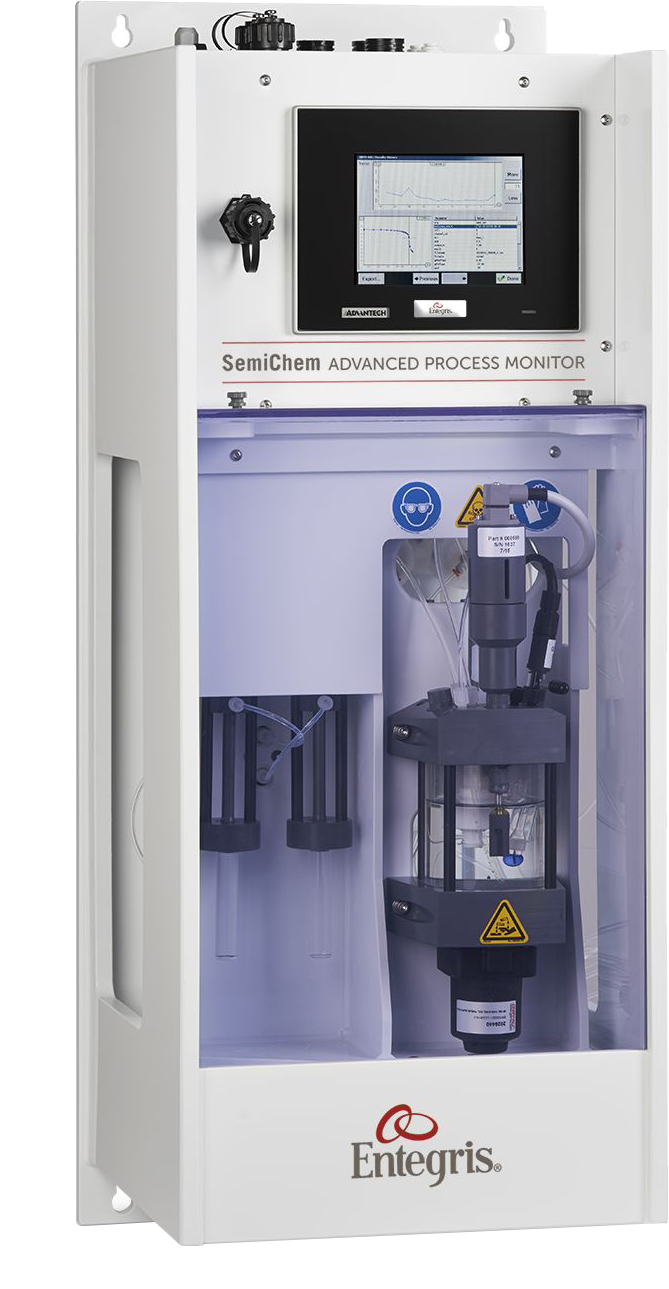
四甲基氢氧化铵溶液(TMAH)的浓度一致性,是决定光刻显影工艺中关键尺寸均匀性与微机电系统体硅刻蚀中形貌精度的核心变量。随着制程节点演进至5纳米及以下,允许的浓度波动窗口已压缩至±0.01%量级,传统离线取样分析模式因固有的时间延迟、离散数据表征局限及人为干预不确定性,已构成先进过程控制体系中的关键测量瓶颈。本文系统梳理了TMAH浓度监测从离线检测到在线分析的技术演进,并分析了在线监测设备SemiChem APM 200的特点及其在TMAH应用场景下的适配性。该设备实现了对TMAH浓度的连续、高精密度实时监测,为解决显影液浴槽寿命动态优化、混配供液系统反馈控制及刻蚀速率预测性建模等核心工艺问题提供了可靠的数据基础。


奥法美嘉平台提供整套的光刻胶用色浆均一性与稳定性解决方案,可用于快速评估、优化光刻胶色浆的配方和工艺:砂(珠)磨机对色浆进行研磨分散处理,高压微射流均质机对色浆浆料进行分散均质处理、Nicomp粒度分析仪分析平均粒径、AccuSizer颗粒计数器分析大粒子浓度,Lum稳定性分析仪快速分析色浆稳定性,Entegris-ANOW滤芯过滤杂质及大颗粒。

在半导体制造中,化学机械抛光(CMP)工艺用于去除晶圆表面的多余材料,实现全局平坦化,以满足后续光刻、刻蚀等工艺的要求。CMP工艺的效率和质量直接依赖于抛光液(Slurry)的性能,尤其是其中的大颗粒污染物(LPC)。LPC的存在可能导致晶圆表面划痕、缺陷增加,甚至影响器件的电学性能。因此,控制Slurry中LPC的数量是确保CMP工艺成功的关键。本文将详细介绍从Slurry生产到POU使用端的全流程LPC控制方案,结合实际应用案例,展示如何通过一体化解决方案提高CMP工艺的稳定性和良率。

奥法美嘉平台提供整套的MLCC陶瓷浆料均一性与稳定性解决方案,可用于快速评估、优化陶瓷浆料的配方和工艺:HM&M珠磨机用于研磨分散MLCC陶瓷浆料、Nicomp粒度分析仪分析平均粒径、Accusizer颗粒计数器分析大粒子浓度,Lum稳定性分析仪快速分析陶瓷浆料稳定性,Entegris-ANOW滤芯过滤杂质及大颗粒。


慢性阻塞性肺疾病(COPD)的病理机制比较复杂,早期变化难以观察,传统评估方法中,作为COPD诊断金标准的肺功能检测虽能诊断疾病,但与呼吸困难症状相关性较差,影像学检查也难以建立呼吸困难与生理指标的直接关联。近年来,呼出气冷凝液(Exhaled Breath Condensate,EBC)分析逐渐受到关注,被认为是一种可无创评估气道状态的新方法。

在现代材料科学领域,Pickering乳液以其独特的稳定性和可控性,成为研究的热点。这种乳液通过固相颗粒作为稳定剂,不仅在食品工业、化妆品、药物递送系统中有广泛应用,还在光催化、水净化等环保领域展现出巨大潜力。今天,我们主要参考Danae University of Montpellier Mikhael Bechelany团队的《Current Trends in Pickering Emulsions: Particle Morphology and Applications》文章[1],带您走进Pickering乳液的世界,并介绍三款先进的粒度分析、稳定性分析设备,它们在乳液粒径分布和稳定性研究中发挥着关键作用。

安瓿瓶是容易破碎的玻璃瓶,在开启时,其底部的残余玻璃碎片很容易随样品一同吸入进样管,导致V13A阀漏气与返液,本文通过实验验证了玻璃碎片确实会导致V13A阀漏气与返液。

Oaku团队致力于通过纳米技术,特别是通过珠磨法制备了5%MXD纳米颗粒制剂(MXD-NPs)。该配方既具有MXD纳米颗粒的分散性,又通过使用靶向毛囊的纳米颗粒来增强毛发生长效果,从而解决MXD治疗AGA中的疗效和安全性之间的平衡问题。

Entegris Nicomp®动态光散射(DLS)系统是一种易于使用的粒度和zeta电位分析仪。本技术文档显示了Nicomp的典型结果,并对声场的数据进行解析说明。
奥法美嘉科技集团(Alpharmaca Inc.)长期耕耘于纳米科学技术领域,提供纳米材料的生产制造、粒度表征、应用开发、分析优化的全面解决方案。奥法美嘉不断引进和研发纳米科技领域中领先的技术和产品,致力为中国工业4.0产业化升级做好服务。
2010 年
公司创立
10 +
业务遍及国家和地区
100 +
科研人员
10 亿+
年营业收入
